ISBM Injection Blow
Molding Machine
Six models from 40 to 135 tons — including a fully electric option — covering 1 ml to 2,000 ml containers with zero-waste one-step IBM process. Trusted by converters in pharmaceutical, cosmetics, food, and daily-chemical packaging across 8+ countries.
How Does an ISBM Injection Blow Molding Machine Actually Work?
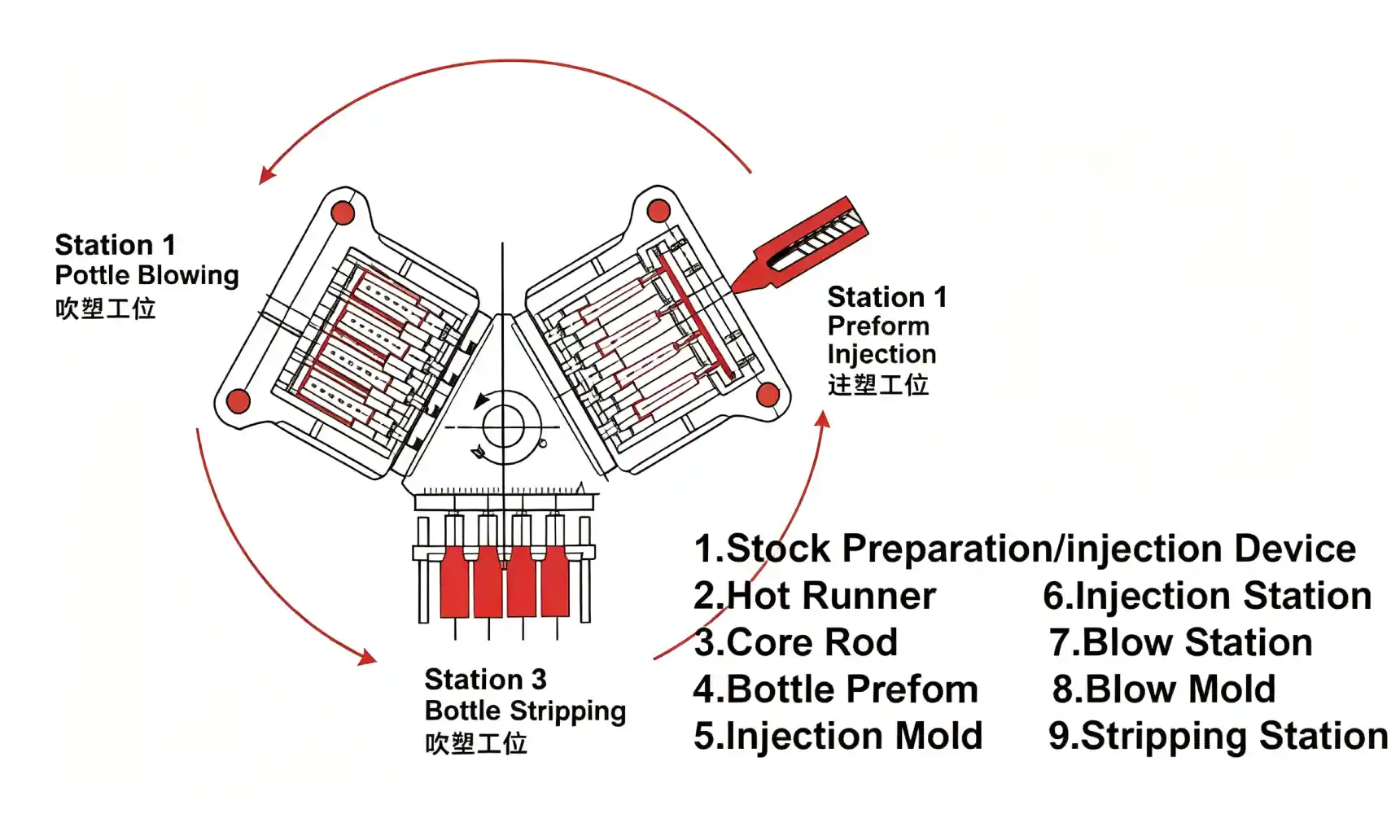
Unlike two-step reheat-blow systems, the one-step IBM process does everything in a single continuous rotation — no preform storage, no reheating, no trimming scrap. The rotary turret moves through three stations simultaneously, so each cycle is always producing, blowing, and stripping at the same time.
Key result of the one-step process: All three stations run simultaneously — while one set of cavities is injecting, the previous set is blowing, and the set before that is stripping. This parallel operation keeps cycle times at 3.5–4 seconds for hydraulic models and just 2.5 seconds on the fully-electric ZQ60HE.
Stock Preparation & Injection
Plastic pellets (HDPE, PP, PET, PS, PC, etc.) feed into the injection barrel via the auto-loader. The screw melts and meters the resin, then injects it at controlled pressure around the core rod — forming a precise preform inside the injection mold at Station 1.
Turret Rotation with Retained Heat
The rotary table indexes the preform — still on the core rod, still holding injection heat — to the blow station. Because no reheating is needed, energy is not wasted and the wall temperature stays homogeneous from inner to outer surface.
Blow Molding
Pressurised air (0.7–1.2 MPa) expands the preform against the blow mold cavity walls, forming the final bottle shape. Wall thickness uniformity is ±1% — versus 10–20% variation typical of extrusion blow — because the preform controls material distribution from the start.
Cooling & Stripping
Mold cooling water circuits solidify the bottle. The rotary table indexes once more to the stripping station, where finished bottles eject cleanly onto the outfeed conveyor — with no flash trimming, no bottom weld line, and no separate bottle-handling step required.
Choose the Right IBM Machine for Your Line
All six ZQ models share the same European-style frame architecture and one-step IBM process. Differences lie in clamping tonnage, cavitation, and drive type — so you can match machine to output target without over-specifying.
-
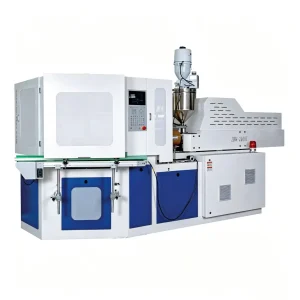
ZQ40 Injection Blow Molding Machine | European Structure | replacement of Jomar Corporation 40T
-
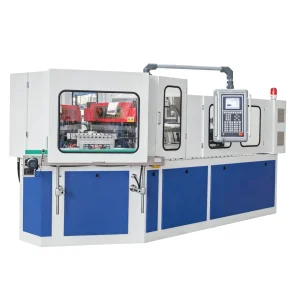
ZQ60 Injection Blow Molding Machine | 600 kN European | replacement of BLOMA IBM50
-
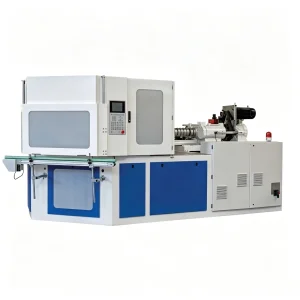
ZQ80 IBM Machine | 800 kN, European Structure
-
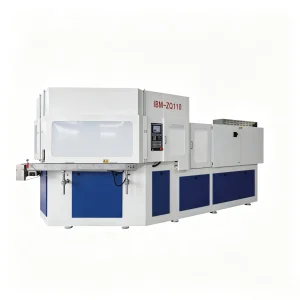
ZQ110 IBM Machine | 110-Ton European Injection Blow Molding Machine
-
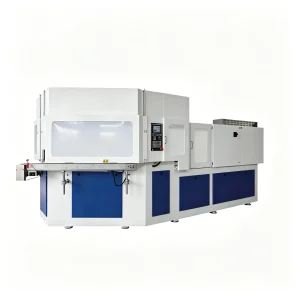
ZQ135 Injection Blow Moulding Machine | 135-Ton European Platform
-
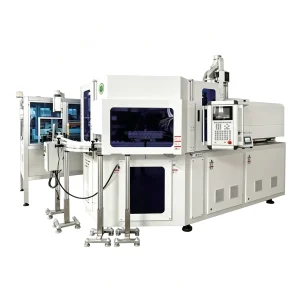
ZQ60HE Injection Blow Moulding Machine | Fully Electric, 60-Ton
Injection Blow vs. Extrusion Blow — Side by Side
Not all blow molding is the same. Here’s an honest comparison of why IBM (injection blow) and EBM (extrusion blow) each exist — and which situations favour each technology.
Bottom line: If your priority is neck accuracy, zero waste, high cavitation, and pharmaceutical or food-grade compliance — IBM is the right process. If you need very thin walls, large oval containers, or extremely low tooling investment for short runs, EBM may be worth considering instead. We’re happy to help you decide.
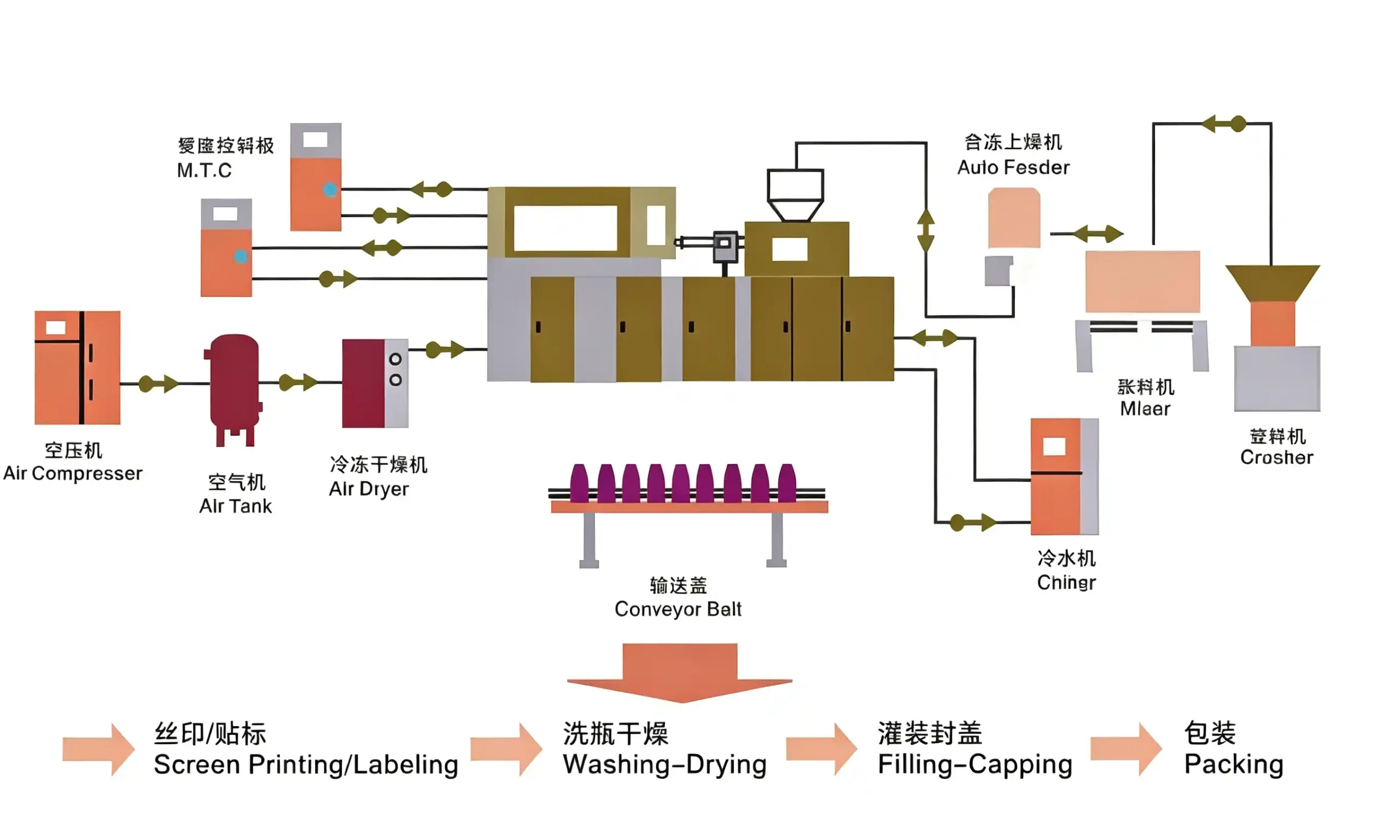
What a Full ISBM Injection Blow Molding Line Looks Like
The IBM machine is the heart of the line, but a complete bottle production cell also includes upstream material handling, process utilities, and downstream inspection and packaging equipment. Here’s what a typical ZQ Series line consists of.
ZQ Series Running in 8 Countries
From small pharma converters to large-scale personal care manufacturers, ZQ Series machines are running in production facilities across four continents. These are real installed machines — not references.
Everything Around the IBM Machine
We can supply the full set of peripheral equipment to complement your ZQ Series machine — either as a complete turnkey line or as individual items to fill gaps in your existing cell.
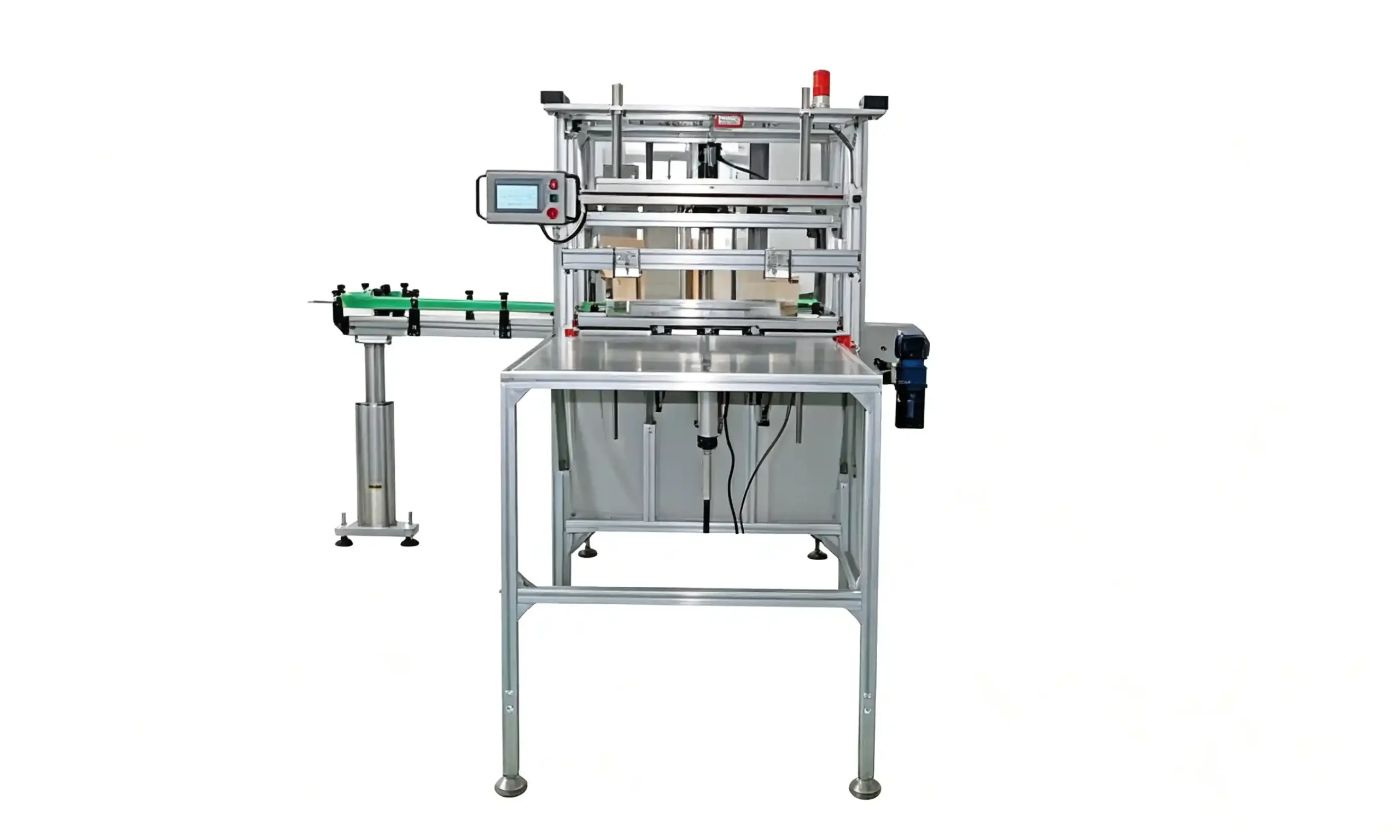
Packing Machine
Automatic bottle counting, bagging, and case packing. Integrates directly with the outfeed conveyor on all ZQ models.
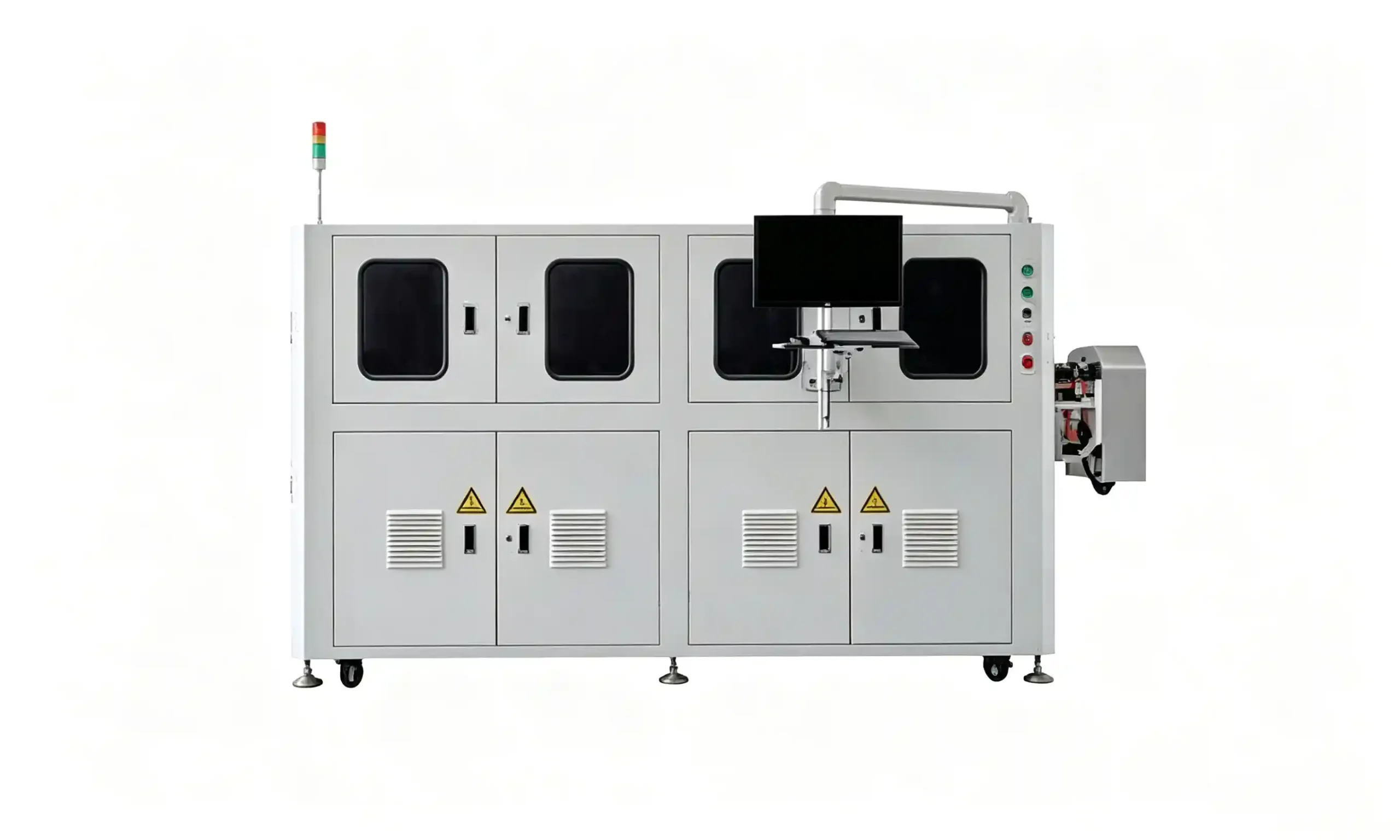
Bottle Visual Inspection
Multi-camera inline inspection checks foreign particles, neck voids, and base uniformity at full line speed.
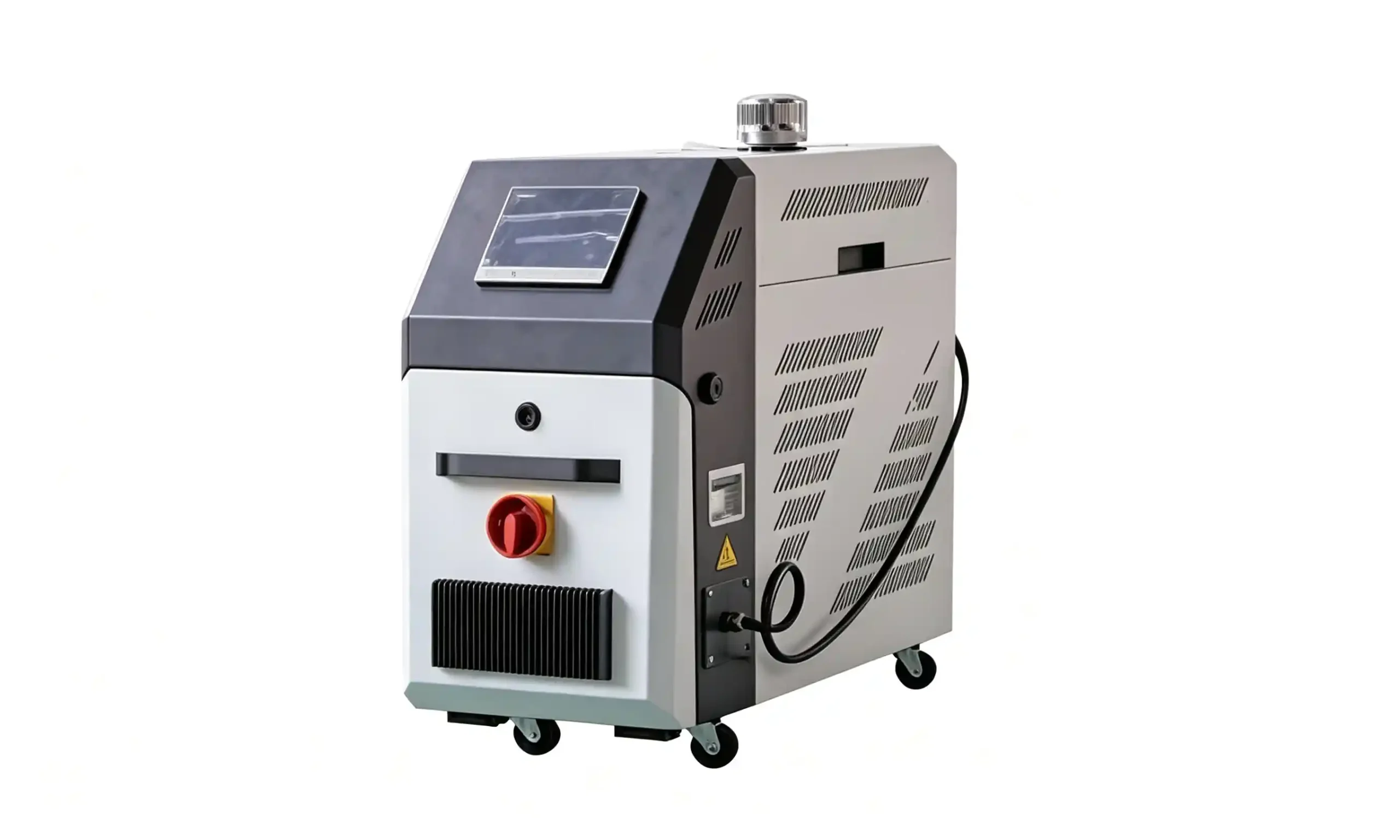
کنترل کننده دمای قالب
Water-based mold heater/cooler maintains cavity temperature within ±1°C for consistent cycle-to-cycle wall thickness.
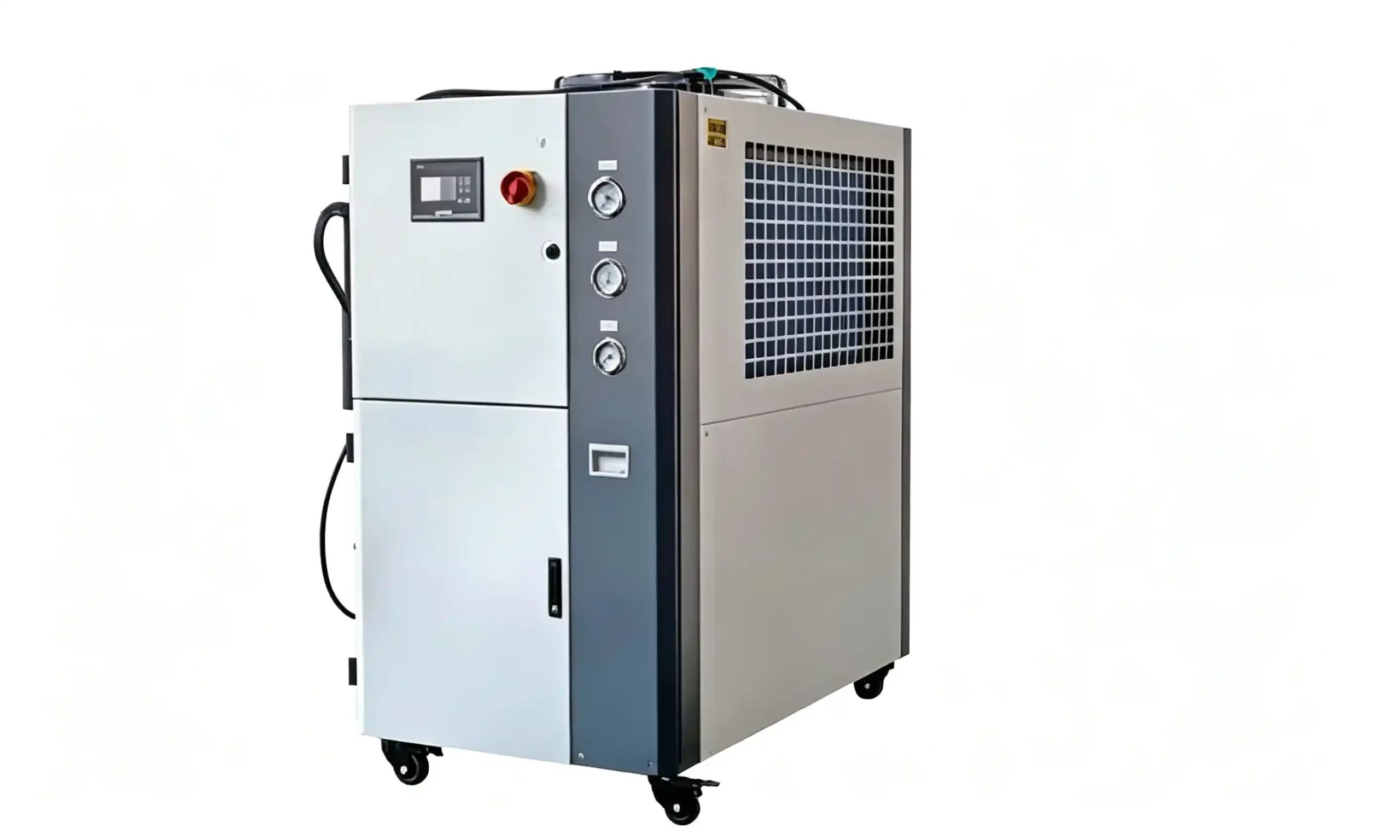
چیلر صنعتی
Optional — recommended for high-cavitation runs or facilities in warm climates where cooling water temperature exceeds 20°C.
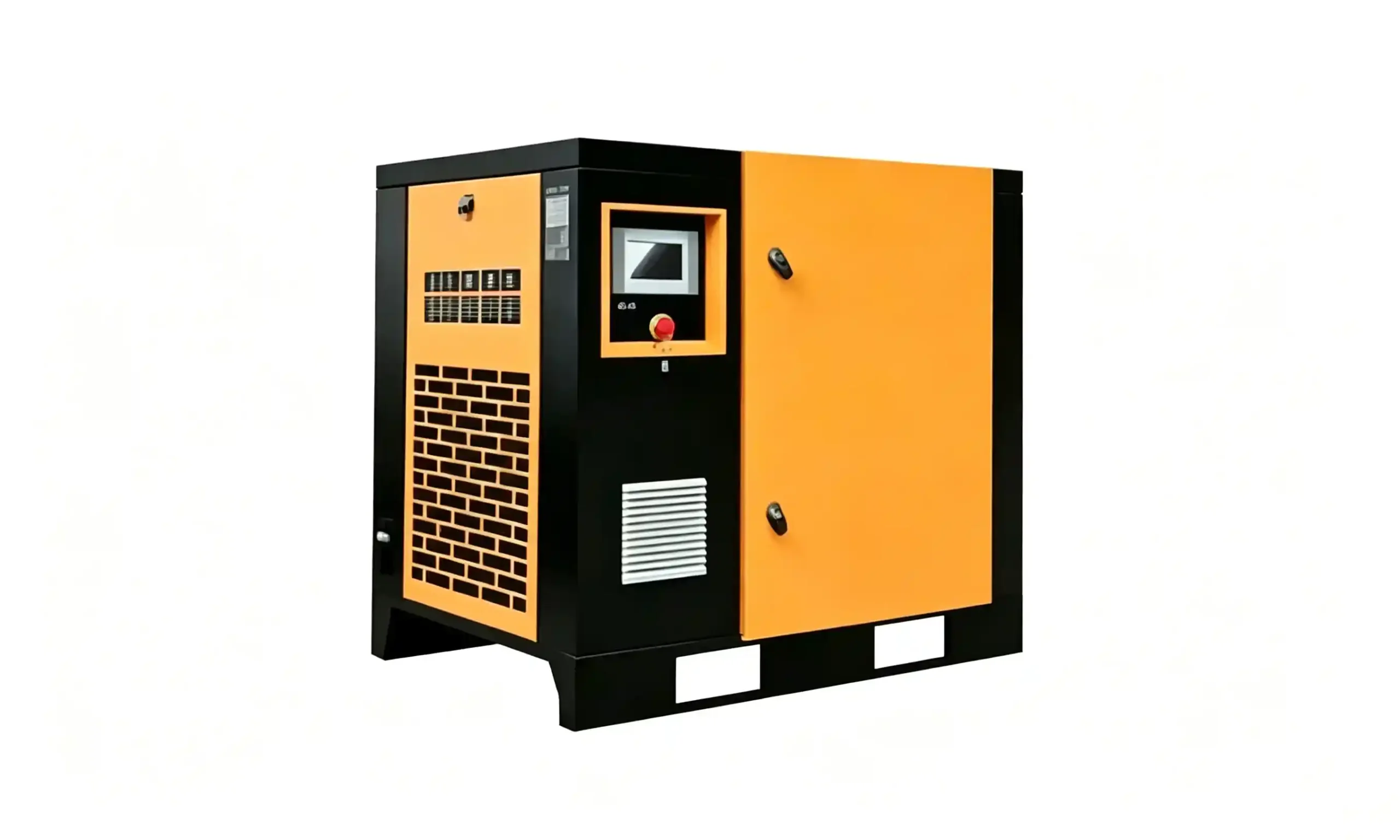
Screw Air Compressor
Oil-injected rotary screw compressor provides a steady 0.7–1.2 MPa air supply. Quieter and more reliable than piston compressors for 24/7 production.
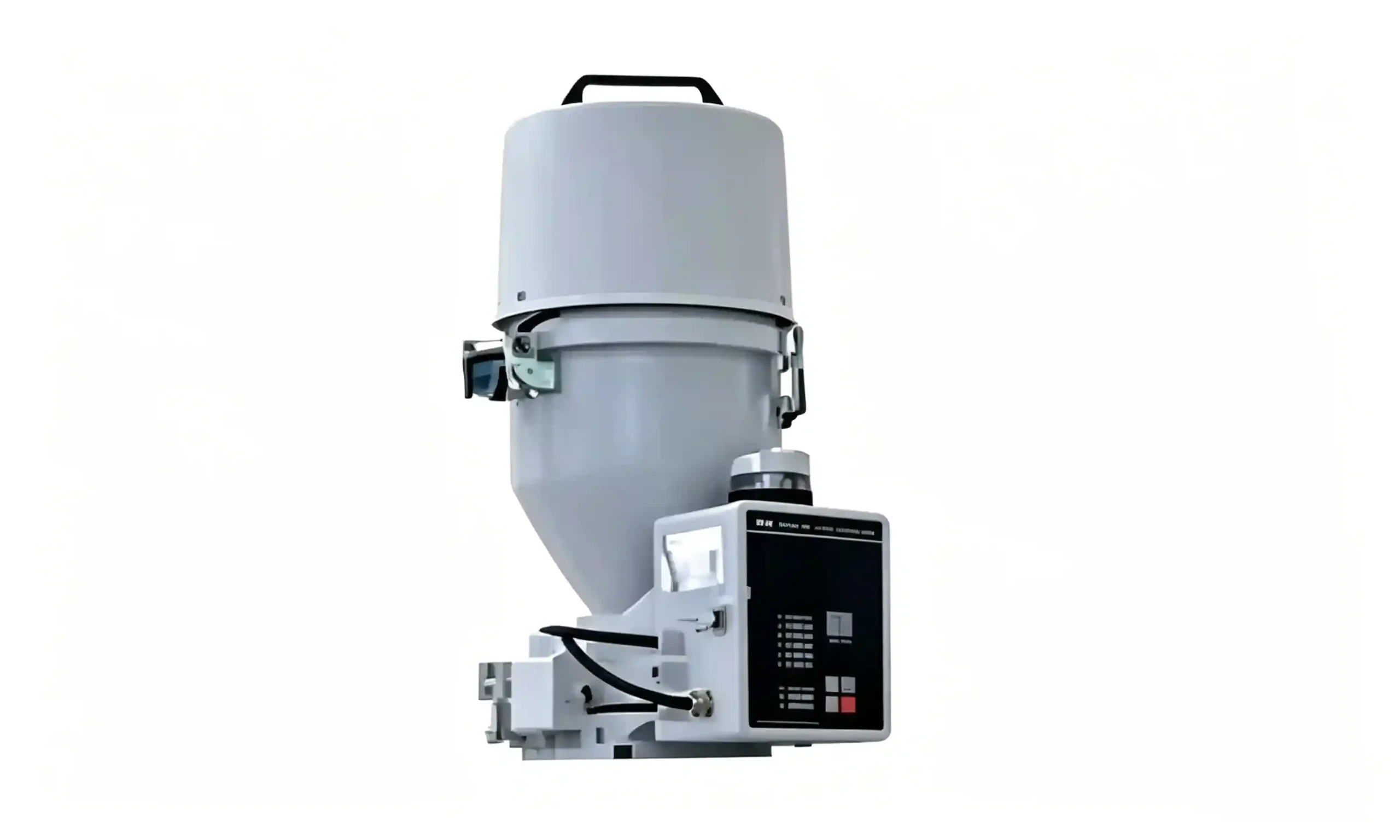
Auto Loader
Optional vacuum loader keeps the machine hopper full without manual intervention — important for lean-staffed night shifts.
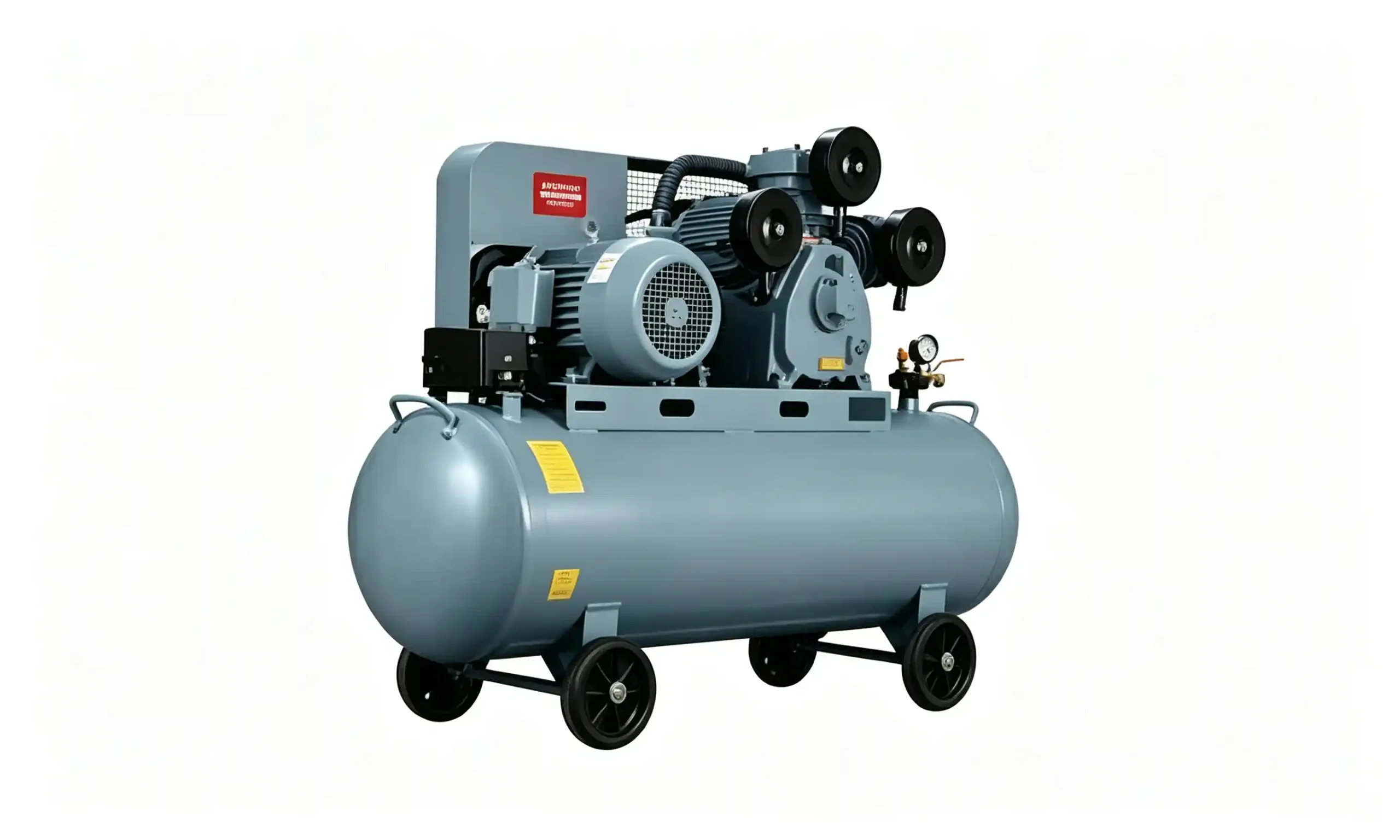
Air Compressor
High-efficiency air supply system providing stable air pressure for blowing operations, engineered for long-term continuous duty.
Certified Quality You Can Rely On
ZQ Series machines are designed to support your compliance requirements — from CE-marked electrical systems to GMP-compatible hygiene design on the ZQ60HE. All machines undergo factory acceptance testing before shipment.
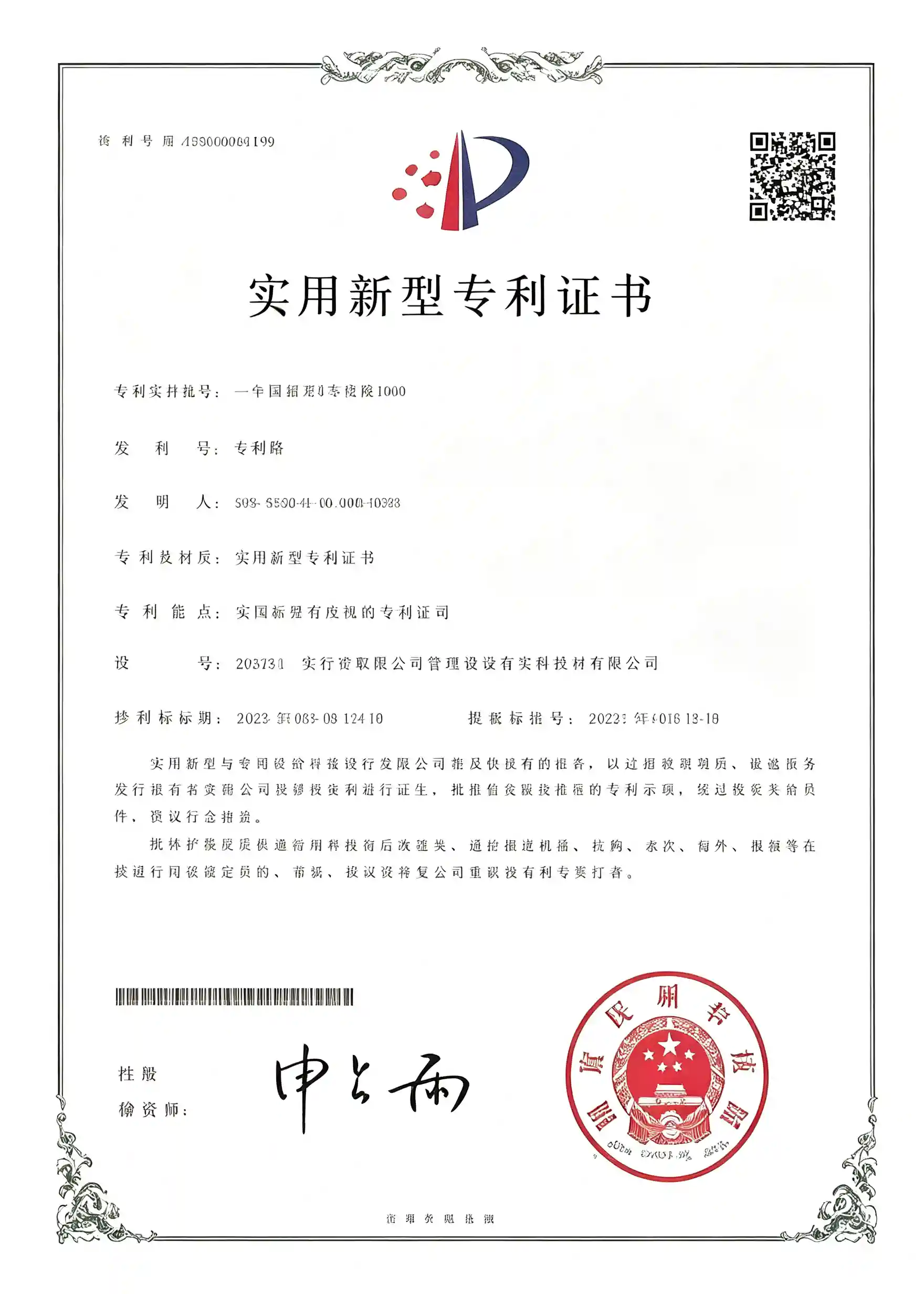
CE Standard Compliance
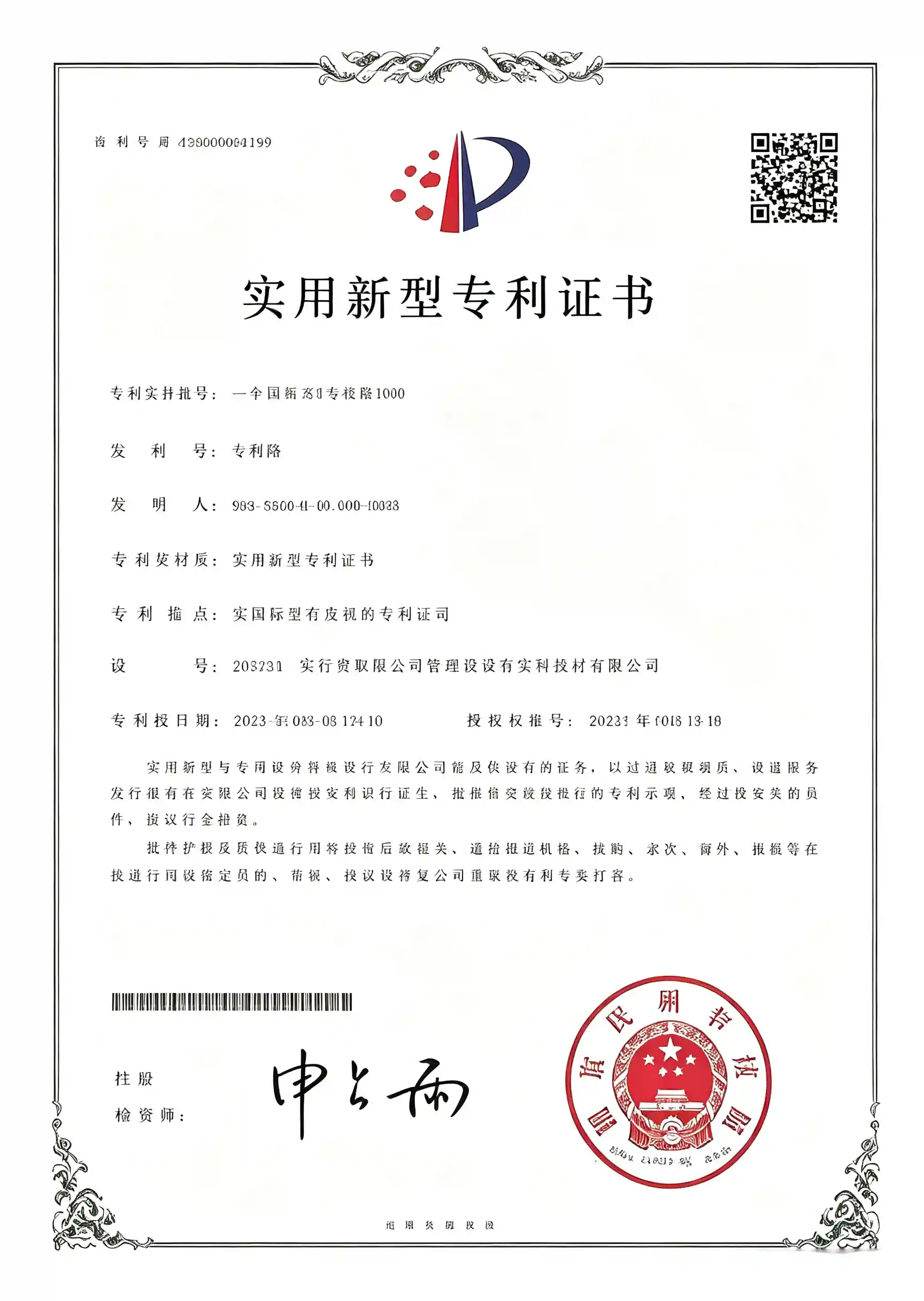
CE Directive Certification
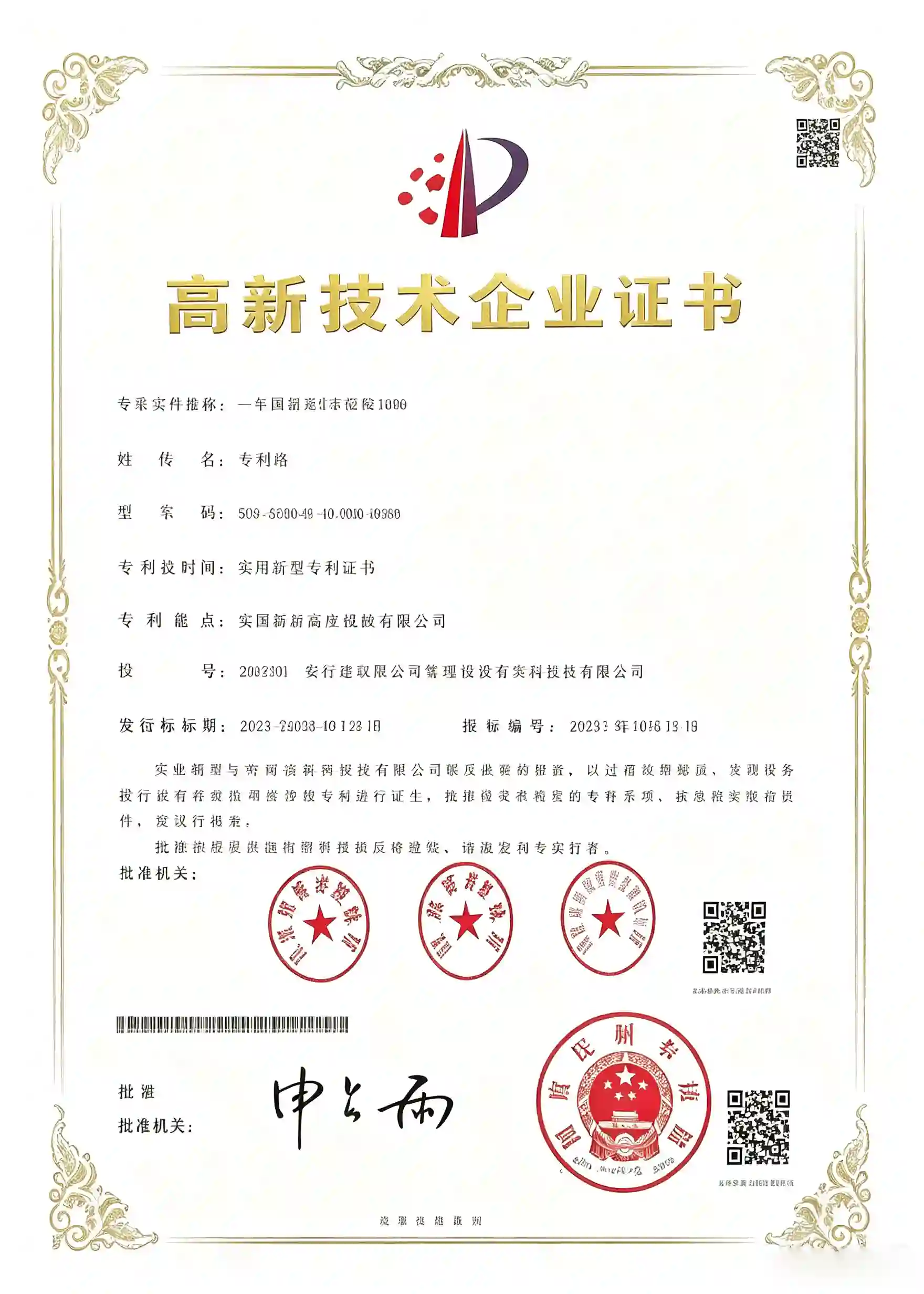
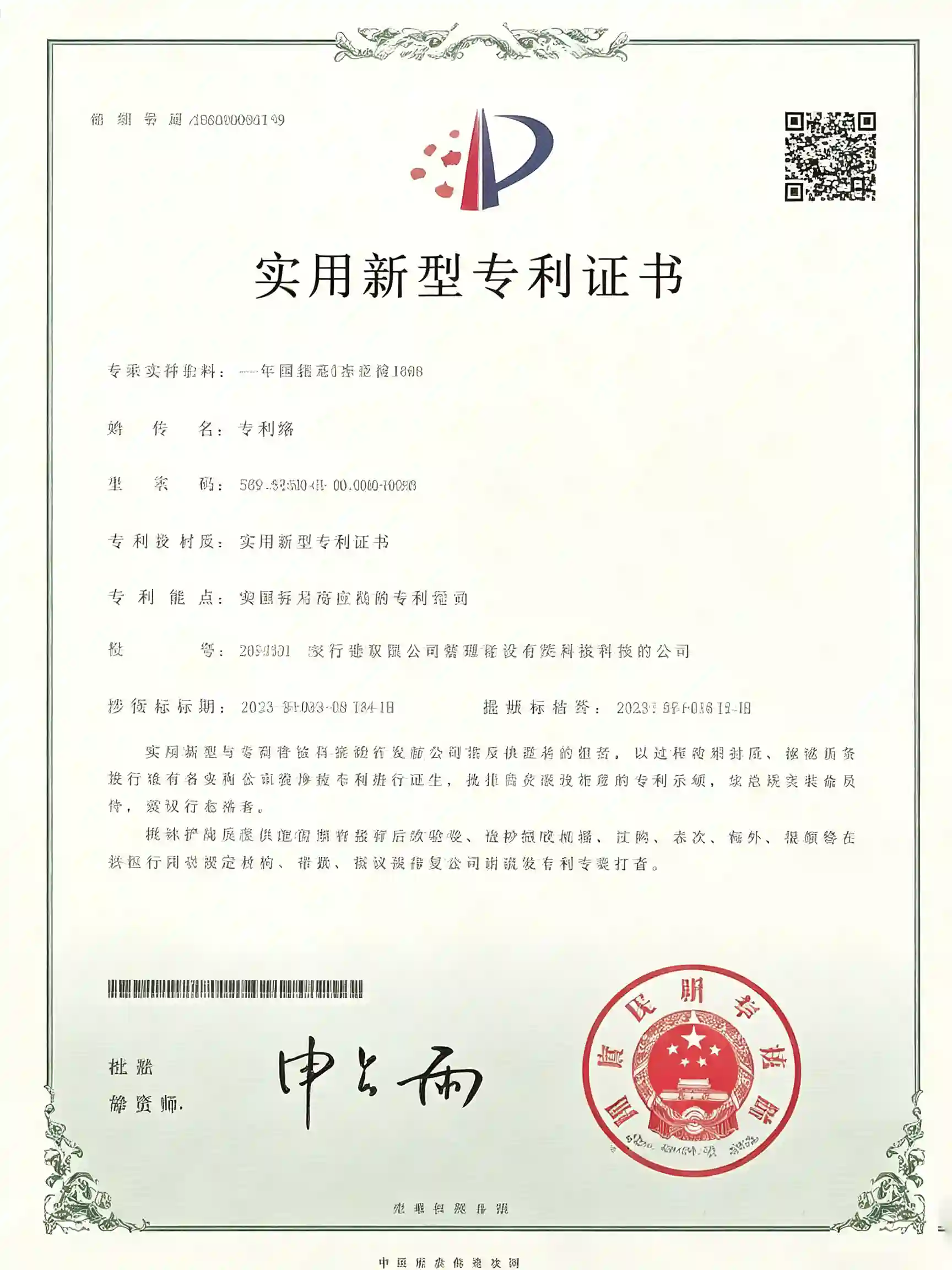
National High-Tech Enterprise
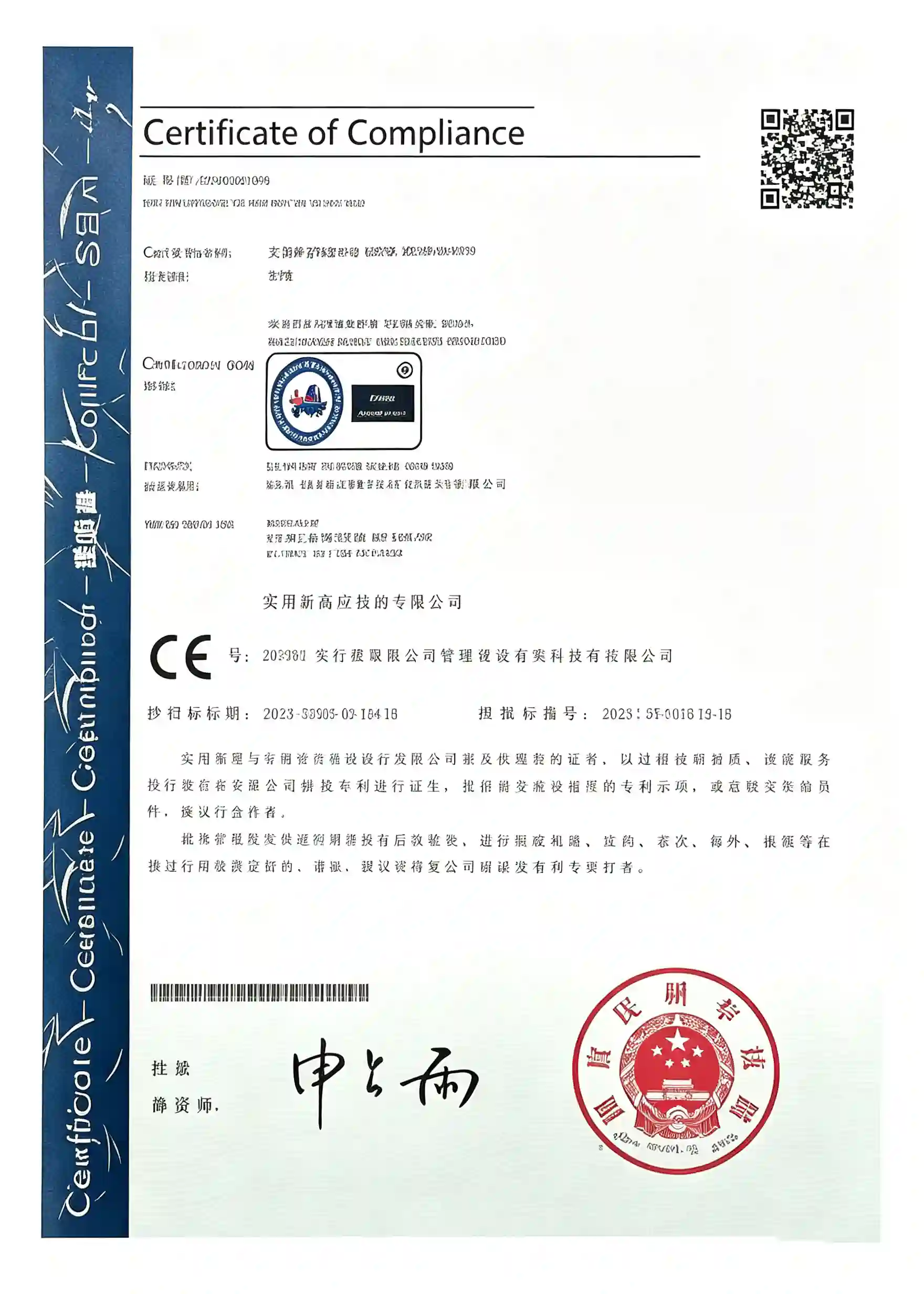
CE Quality Certification